
Understanding the psychology of players in casino environments
The Emotional Rollercoaster of Gambling
The experience of gambling is often an emotional journey that players embark on when they enter casino environments. The thrill of potential winnings can create a euphoric high, while the sting of losses can lead to feelings of frustration and despair. This emotional rollercoaster is fueled by the unpredictability of chance, which engages the brain’s reward system. Understanding how these emotions affect decision-making is crucial for both players and casino operators. Many find great insights about this topic at https://peterdavison.ca/.
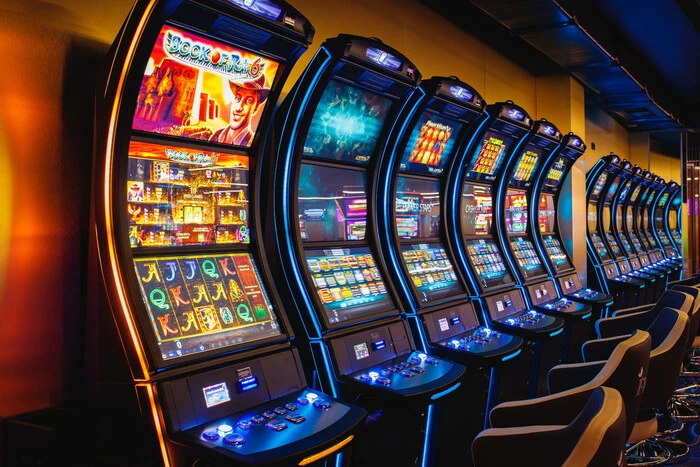
Moreover, emotions like excitement and anticipation can significantly influence a player’s behavior. Players are often drawn to the vibrant atmosphere of casinos, filled with sights, sounds, and social interactions that elevate their excitement levels. This heightened emotional state may lead them to make riskier bets or stay longer than planned, often at the expense of rational decision-making. Recognizing these emotional triggers can help players manage their gambling experience more effectively, especially at establishments like Pinco.
The design of casino environments is also tailored to enhance these emotional responses. Bright lights, engaging sounds, and the allure of winning all work together to create a captivating atmosphere. These elements are not merely for entertainment; they are strategically implemented to keep players engaged and encourage them to spend more time gambling. Understanding these psychological dynamics allows players to recognize when their emotions may be driving their decisions rather than sound judgment.
The Role of Cognitive Biases
Cognitive biases significantly shape the way players perceive their gambling experiences, particularly in places like Pinco Casino. Common biases, such as the gambler’s fallacy, can lead players to believe they have control over random outcomes. For instance, someone might think a winning streak will continue based on past results, failing to recognize that each outcome is independent. This misconception can lead to more significant losses as players chase their perceived luck.
Another relevant cognitive bias is the illusion of control. Many players believe they can influence the outcome of games that are purely based on chance. This belief can cause them to engage in superstitious behaviors, like wearing lucky clothing or following specific rituals before playing. Such biases create a false sense of security, prompting players to take risks they might otherwise avoid if they were fully aware of the odds involved.
Furthermore, confirmation bias can lead players to focus only on the successes while ignoring the failures. This selective memory reinforces the desire to continue playing, as individuals remember their wins and dismiss their losses. Such biases not only affect personal gambling behavior but also serve as a challenge for casinos that aim to maintain a responsible gambling environment. Understanding these biases is crucial for players to make more informed choices.
The Social Dynamics of Casino Gaming
Casinos are inherently social environments that foster interaction among players. This social aspect can greatly influence individual gambling behavior, as the presence of others often leads to increased excitement and shared experiences. Players may feel encouraged to take risks they wouldn’t normally consider when surrounded by friends or other patrons. This phenomenon highlights how social dynamics can amplify emotional responses to gambling.
Peer influence plays a significant role in shaping gambling habits. Individuals often look to their friends or fellow players for cues on how to behave, whether it’s regarding the amount to bet or which games to play. This can lead to groupthink, where individuals make decisions that align with the group rather than their judgment. The desire for acceptance and camaraderie can create an environment where risky behaviors are normalized.
Additionally, socializing in a casino can lead to increased spending, as players often buy drinks or food while playing. This creates a sense of indulgence that further fuels gambling behavior. Casinos capitalize on this social interaction by creating spaces designed for groups, emphasizing the connection between socializing and gaming. By understanding these social dynamics, players can be more mindful of how their interactions may affect their gambling decisions.
The Impact of Environment on Decision Making
The physical environment of a casino plays a crucial role in shaping player behavior. Elements such as layout, lighting, and sounds are meticulously designed to create an immersive experience. For instance, casinos like Pinco Casino Canada often use dim lighting and upbeat music to create a sense of excitement and urgency. This environment can lead to impulsive decisions and increased gambling time, making it essential for players to remain aware of their surroundings.
Moreover, the layout of gaming areas can affect how players engage with different games. Casinos often place high-stakes games in areas that are more accessible and visible, drawing in players who may not have initially intended to gamble at those levels. This strategic placement can increase participation in higher-risk games and lead players to wager more than they initially planned, highlighting the importance of environmental cues.
Furthermore, the sensory overload in a casino can desensitize players to losses, making it easier for them to continue gambling. The combination of sights and sounds creates an atmosphere that can distract from the reality of their financial situation. Understanding how the environment influences decision-making can empower players to make more conscious choices, helping them navigate the psychological intricacies of casino gaming.

Exploring Pinco Casino: A Responsible Gaming Environment
At Pinco Casino, players can experience the excitement of online gaming while being supported by a platform that emphasizes responsible gambling practices. With a diverse selection of over 5,000 games, players are provided with numerous options to explore within a secure and licensed environment. This allows for a fulfilling gaming experience while encouraging players to remain mindful of their gambling habits.
Pinco takes its commitment to responsible gaming seriously, offering resources and tools designed to educate players about the psychological aspects of gambling. Through customer support and educational materials, Pinco aims to foster a safe space where players can engage with the games they love without compromising their well-being. The platform promotes self-awareness, enabling players to set limits and enjoy their gaming experience responsibly.
In conclusion, understanding the psychology of players in casino environments can enhance both the gaming experience and the overall approach to gambling. By recognizing the emotional, cognitive, and social factors at play, players can make informed decisions that align with their values. Pinco Casino embodies these principles by prioritizing a responsible gambling environment where enjoyment and safety go hand in hand.
